


If you feel worn down by repeat migraine attacks, you’re not overreacting, and you’re not alone. Migraine is more than a bad headache, because it can disrupt work, family time, sleep, and your mood for hours or even days. It also affects more than 1.1 billion people worldwide, so while it can feel isolating, it’s a common health issue that deserves real support.
That matters because clear, practical advice can make day-to-day life feel less hard. A recently published book, Migraine Relief Guide: Causes, Symptoms, Treatments, presents itself as a beginner-friendly resource for sufferers and caregivers, and that same need for plain, useful help shapes this guide. From current migraine basics and common triggers to symptoms, treatment options, and simple prevention habits, the sections ahead focus on clear, everyday steps you can use right away.
What a migraine really is, and why it feels so different from a regular headache
A migraine is not just head pain. It’s a brain and nerve condition that can affect how you feel, move, think, and handle light, sound, or smell. That is why a migraine often feels far more intense and disruptive than a regular headache.
A basic headache may feel like pressure or tightness. In contrast, a migraine can throb, build in waves, and make normal activity feel too hard. It’s also important to clear up two common myths: stress is a trigger for some people, not the full cause, and many so-called sinus headaches are actually migraines.
How migraine pain starts in the brain and nerves
Migraine often starts when certain brain cells become too active. Think of it like your brain’s alarm system turning up too high. That overactivity can set off pain pathways and irritate nearby nerves, which then send strong pain signals.
As this happens, the brain can become extra sensitive. So light may feel sharp, sound may feel harsh, and smells may suddenly seem overwhelming. Changes in brain chemicals, including serotonin, may also play a part in starting an attack or making symptoms worse.
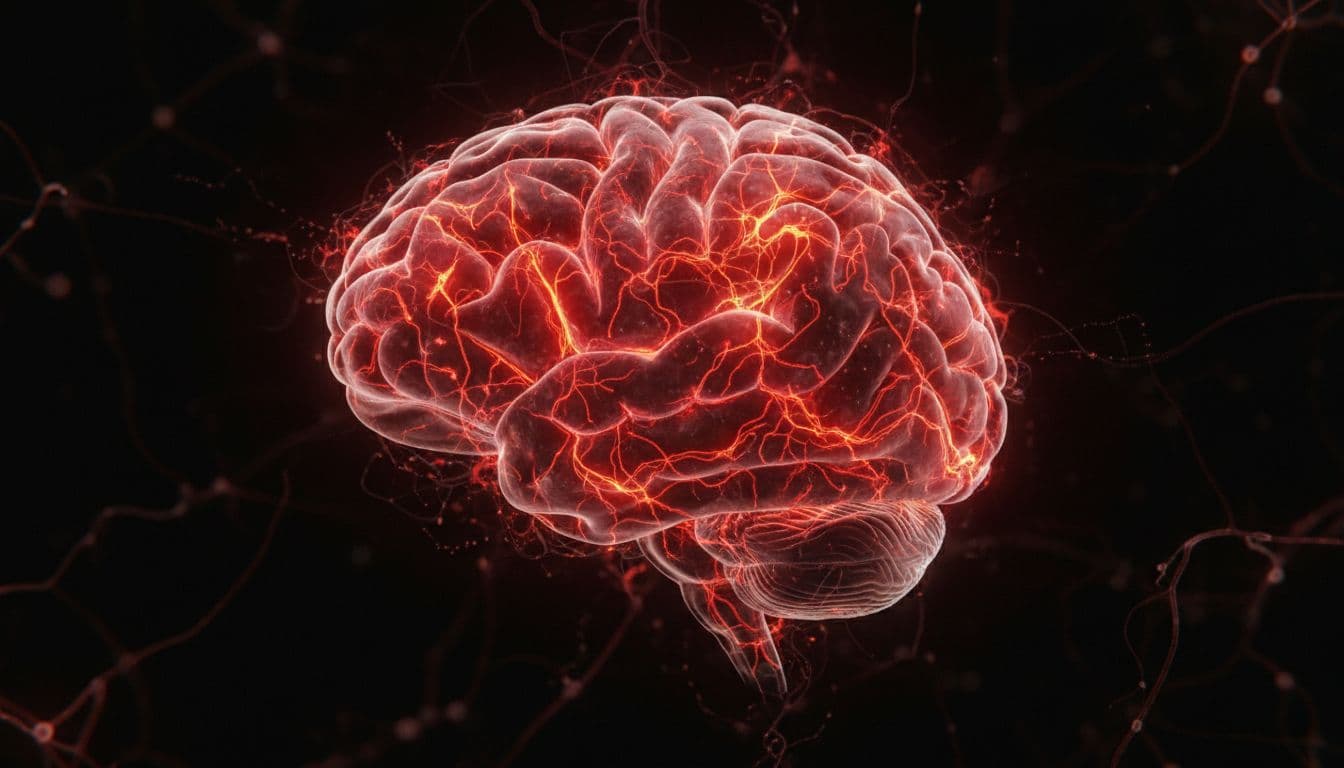
This is why migraine can come with more than pain, including nausea, dizziness, or trouble focusing. In other words, it’s a whole-brain event, not just a sore head.
Why family history and hormones matter
Migraine often runs in families, so genetics matter. If a parent or sibling gets migraines, your brain may also be more sensitive to common triggers.
Hormones can shift that sensitivity even more. For some people, attacks become more likely when estrogen levels change, especially around menstrual cycles. Pregnancy may improve migraines for some, but not all. Later, perimenopause and menopause can also change the pattern, either easing attacks or making them less predictable for a time.
Because of this, migraine patterns can change across life. That doesn’t mean the pain is random. It means your brain responds to internal changes, not just outside stress.
The signs of a migraine attack, before, during, and after the pain
Migraine often follows a pattern, even if the pattern shifts from one attack to the next. Some people notice warning signs long before the pain starts, while others move straight into the main attack. Not everyone gets every phase, but knowing the full timeline can make migraine feel less random and easier to recognize.
That timeline also helps separate migraine from a typical tension headache. A tension headache is more likely to feel like a steady, tight band. Migraine, by contrast, often comes in stages and brings symptoms far beyond head pain.
Early warning signs that can show up hours or even days before
The first phase is often called prodrome, and it can show up hours or even a couple of days before the headache. This stage is easy to miss because the signs can seem ordinary at first. You might feel unusually tired, moody, thirsty, or stiff through the neck and shoulders.
Some people also notice food cravings, trouble focusing, or a sense that their brain feels „off.“ Others feel restless, flat, or more sensitive than usual. It can feel like your body is quietly waving a flag before the storm rolls in.
If these patterns keep showing up before attacks, it may help to simply notice them. A short note in your phone or planner can reveal clues over time, especially when migraine feels hard to predict.
Aura symptoms some people get, and what they can look like
Aura is a short phase that some people get before the pain, during it, or sometimes without much headache at all. It usually lasts 5 to 60 minutes, and it does not happen to everyone. In fact, only about 1 in 3 to 1 in 4 people with migraine experience it.
Common aura symptoms can include:
- Flashing lights or spark-like shapes
- Zigzag lines that move across your vision
- Blind spots or brief gaps in sight
- Tingling or numbness, often in the face or arm
- Speech trouble, such as struggling to find words
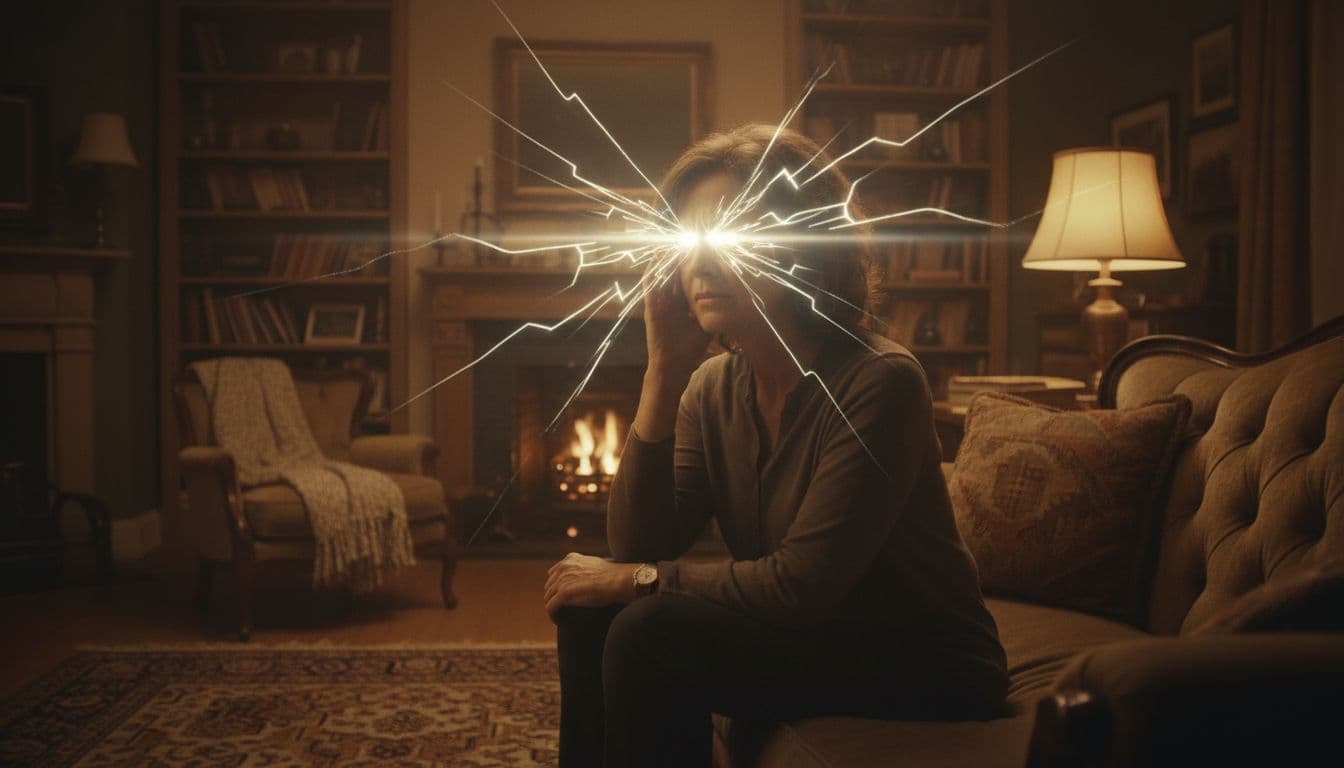
Aura tends to build and fade, rather than hit all at once. That slow rise can feel strange or even alarming, especially the first time. Still, it helps to know that aura is a recognized part of the migraine cycle, not a sign that everyone with migraine will have the same experience.
What the main attack often feels like
The main migraine attack is usually the part people know best. The pain is often throbbing or pulsing, and it may affect one side of the head, though both sides can hurt too. Unlike a tension headache, migraine pain often gets worse with normal activity, so even walking around can feel like too much.
Many attacks also bring nausea, vomiting, and strong sensitivity to light, sound, or smells. A bright room, loud voices, or a strong perfume can suddenly feel unbearable. If untreated, this phase can last 4 to 72 hours, which is why migraine can take over an entire day or more.
Migraine is often more than pain, because it can affect your senses, stomach, energy, and thinking all at once.
Why you may feel drained after the pain fades
When the pain lifts, the attack may not be fully over. Many people go through a postdrome, sometimes called a migraine hangover. This phase can leave you foggy, worn out, weak, or emotionally off, even though the worst pain has passed.
You might struggle to focus, feel washed out, or need extra quiet and rest. That can be frustrating, especially if you expect to bounce back right away. Still, this recovery phase is common, and it helps explain why migraine can linger in your day long after the headache ends.
Common migraine triggers, and how to figure out which ones affect you
Migraine triggers can feel random at first, but they often follow patterns. The key is to remember that triggers are personal, and they often stack together. A food that seems harmless on one day might matter on a day when you’re stressed, dehydrated, and short on sleep.
That is why it helps to look for patterns, not one single villain. Current expert advice still supports using a diary or tracker, and that practical, beginner-friendly approach is also why many migraine guides focus so much on trigger logging.
Stress, sleep changes, and skipped meals are some of the biggest triggers
Stress is one of the most common migraine triggers, but it’s not just the tense moment itself. For many people, the let-down after stress can also start an attack. You push through a hard week, then migraine hits on the weekend. That pattern is common.
Sleep changes matter too. Too little sleep, too much sleep, and an irregular sleep schedule can all raise your risk. In the same way, your brain often dislikes sudden changes, even if the change seems small.
Skipping meals is another big one. Fasting, long gaps between meals, and dehydration can lower your body’s buffer and make an attack more likely. On their own, these may not always trigger pain. But when they pile up together, they can act like storm clouds gathering.
Many migraines start after several small triggers line up, not one obvious cause.
Food, drinks, weather, and sensory overload can also play a role
Some people notice attacks after certain foods or drinks, but this is where it helps to stay cautious. Common reports include alcohol, caffeine changes, chocolate, aged cheese, cured meats, and MSG. Still, don’t blame one item too fast. Sometimes a craving is part of the early migraine phase, not the cause.
Weather can also tip the balance. Heat, humidity, and storms are frequent complaints. So are bright lights, loud noise, and strong smells like perfume or smoke.
A simple way to think about it is this: your migraine threshold can rise and fall. On a steady day, one trigger may not matter. On a hard day, the same trigger may be the last drop in the bucket.
A simple migraine journal can help you spot patterns faster
The best tracker is the one you’ll actually use. Keep it simple, because a two-minute habit beats a perfect system you quit in a week.

Try noting these basics each time:
- Date and time the migraine started
- Symptoms, such as aura, nausea, or light sensitivity
- Sleep, including late nights or sleeping in
- Meals and water intake
- Stress level
- Weather changes
- Menstrual cycle, if relevant
- What helped, such as rest, medicine, food, or a dark room
After a few weeks, patterns often show up. Maybe attacks come after missed lunch and poor sleep, not after chocolate alone. That kind of detail gives you something useful to act on, and it can also help your doctor guide treatment more clearly.
Migraine treatment options that can help during an attack and over time
The best migraine treatment depends on two things, how often attacks happen and how much they disrupt your life. Some people do well with home care and over-the-counter medicine. Others need prescription treatment to stop an attack fast, or a long-term plan to prevent the next one.
In other words, there isn’t one fix for everyone. It’s more like having a toolbox, then using the right tool at the right time.
What to do at home when a migraine starts
When a migraine begins, simple steps can sometimes take the edge off, especially if you act early. First, try resting in a dark, quiet room. Light, noise, and strong smells can turn symptoms up fast, so cutting down sensory input gives your brain less to fight.
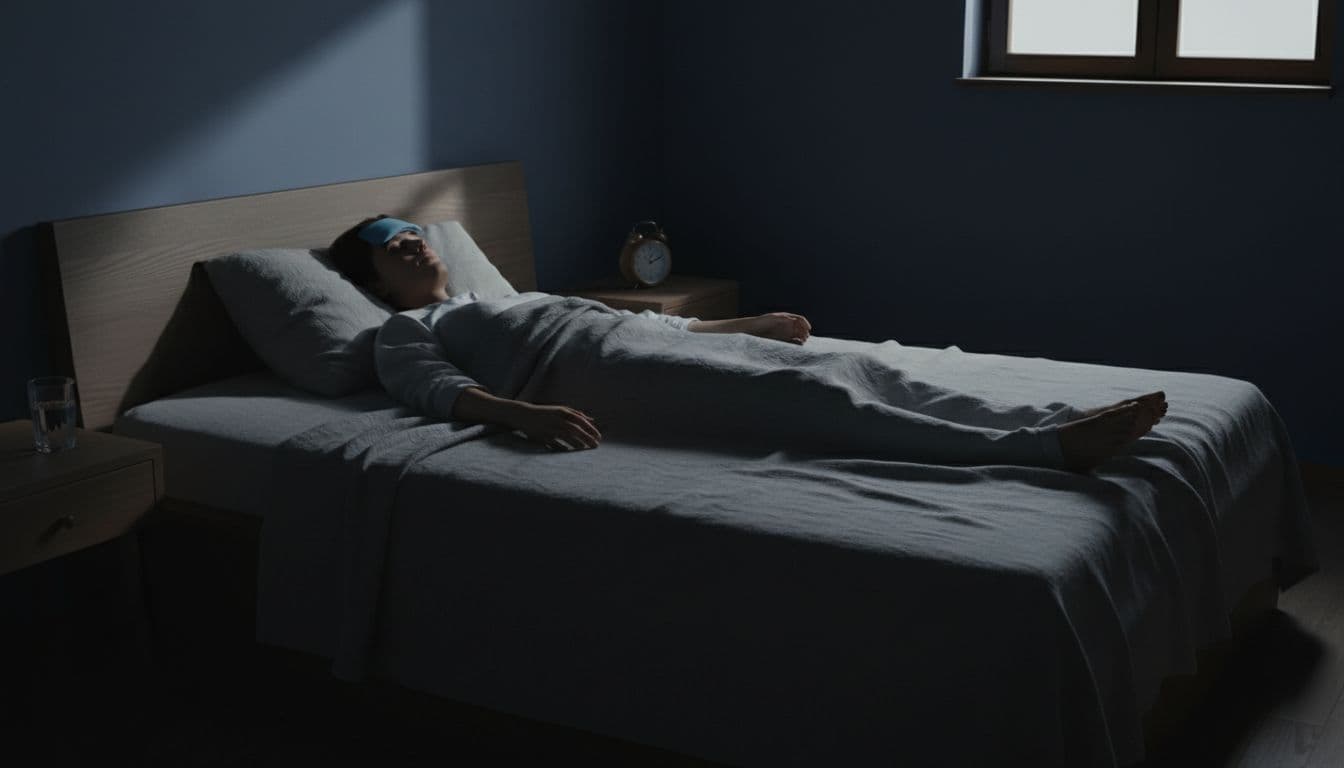
A cold pack on the forehead or neck may help numb pain a bit. Also, sip water, because dehydration can make an attack worse. If you can tolerate it, avoid screens and extra activity for a while.
Some people also use OTC pain relievers such as ibuprofen, naproxen, or acetaminophen, if those are appropriate for them. A few find ginger tea soothing, especially with nausea. Others feel better with a small amount of caffeine, but that can backfire for some people, so it’s not a universal fix.
Home care can help, but if attacks are intense, frequent, or hard to control, it may not be enough on its own.
When prescription migraine medicine may make a big difference
If over-the-counter options don’t touch the pain, prescription medicine can change the picture. This is often true when migraine attacks are moderate to severe, or when nausea, light sensitivity, and throbbing pain hit hard.
Two common groups are triptans and gepants. Triptans work by calming migraine-related pain pathways and narrowing certain blood vessels. They’re often used to stop an attack after it starts. Gepants work differently. They block a pain-signaling protein linked to migraine, called CGRP, and can be a good option for people who can’t take triptans or don’t get enough relief from them.
The key point is simple, these medicines are meant to stop an attack, not just dull it. If migraines keep knocking you out, it’s worth asking a clinician whether an acute prescription treatment fits your pattern.
Prevention options for frequent or severe migraines
If migraines happen often, last a long time, or keep you from work and daily life, prevention may matter as much as fast relief. The goal is to lower how often attacks happen, how severe they feel, or both.
Common preventive options include:
- Beta-blockers: These blood pressure medicines can also reduce migraine frequency.
- Certain antidepressants: Some help steady pain pathways, even if depression isn’t the issue.
- Anti-seizure drugs: Medicines like these can calm brain activity linked to migraine.
- Botox: This may help people with chronic migraine, especially when headache days are very frequent.
- CGRP-targeting treatments: These newer options block migraine-related signals and are now a major prevention choice.
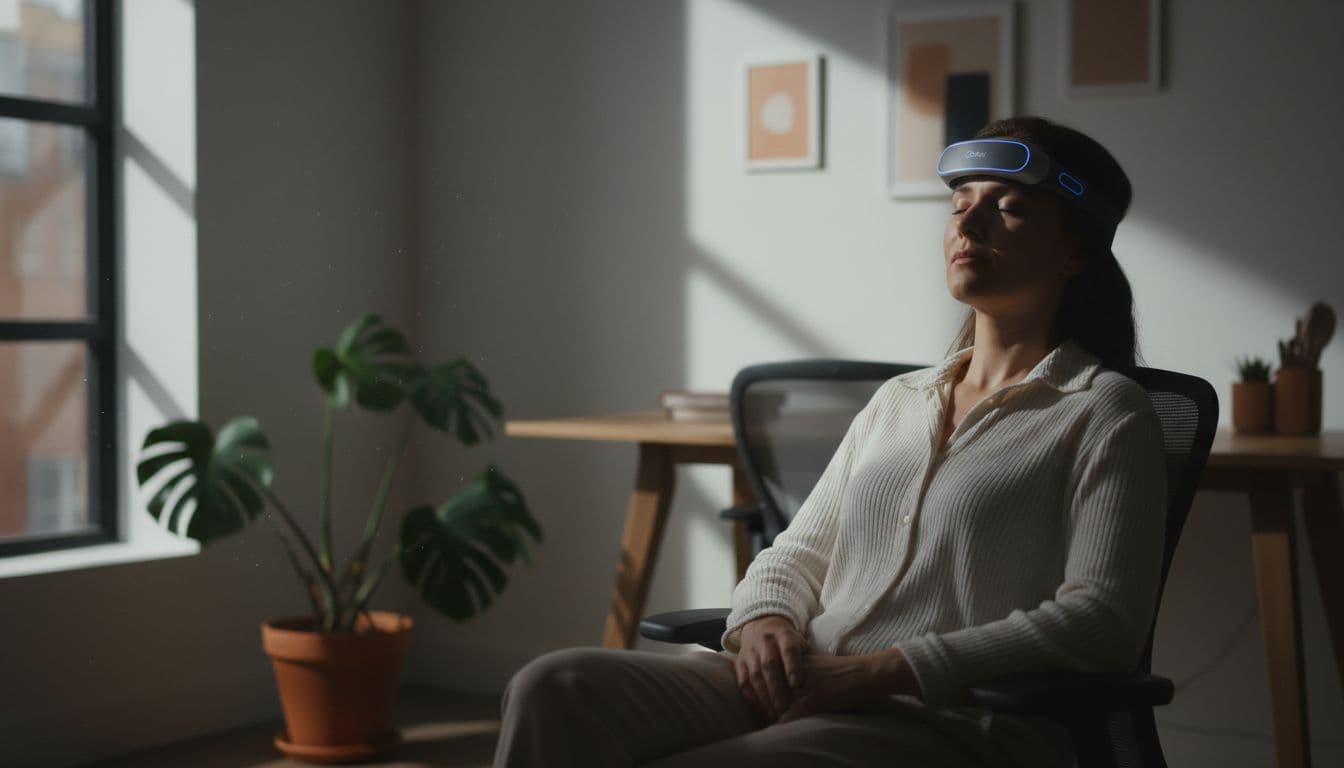
Some people also talk with a clinician about neuromodulation devices, which use gentle nerve stimulation without drugs. They aren’t the first answer for everyone, but they can be part of a broader plan.
A good treatment plan should fit your real life, not just your symptoms on paper.
Daily habits that may lower migraine frequency and make attacks less severe
When migraines keep coming back, small daily habits can make a real difference. The goal isn’t a perfect routine. It’s a steadier baseline for your brain and nervous system, because migraines often flare when sleep, food, stress, and your environment swing too much.
Build a steady routine for sleep, meals, and hydration
Your brain tends to like rhythm. So try to go to bed and wake up at about the same time each day, even on weekends. Big changes, like a late night, sleeping in, skipping breakfast, or going hours without water, can be enough to tip some people into an attack.

Keep it simple and repeatable. Eat regular meals, drink water through the day, and be careful with caffeine. For many people, too much caffeine or sudden caffeine withdrawal can be just as rough as too little sleep.
A practical routine might look like this:
- Sleep: Keep a regular bedtime and wake time.
- Meals: Don’t skip meals, especially if fasting triggers you.
- Water: Sip steadily, and drink more in hot weather.
- Caffeine: Keep the amount moderate and consistent.
Use gentle movement and stress relief to calm the nervous system
Exercise doesn’t need to be intense to help. In fact, for some people, hard workouts can trigger migraines. Gentle movement usually works better, because it supports circulation, sleep, mood, and muscle tension without pushing your system too far.

Walking, stretching, and yoga are good places to start. Add a few slow breaths, a short body scan, or even five quiet minutes between tasks. Those small breaks act like pressure valves, because stress often builds in the body long before pain starts.
A calm routine helps more than an all-or-nothing health kick.
Create a migraine-friendly environment at home and at work
Your surroundings matter more than you may think. Bright screens, poor posture, loud noise, glare, and weather shifts can all add strain. The fix doesn’t have to be dramatic.
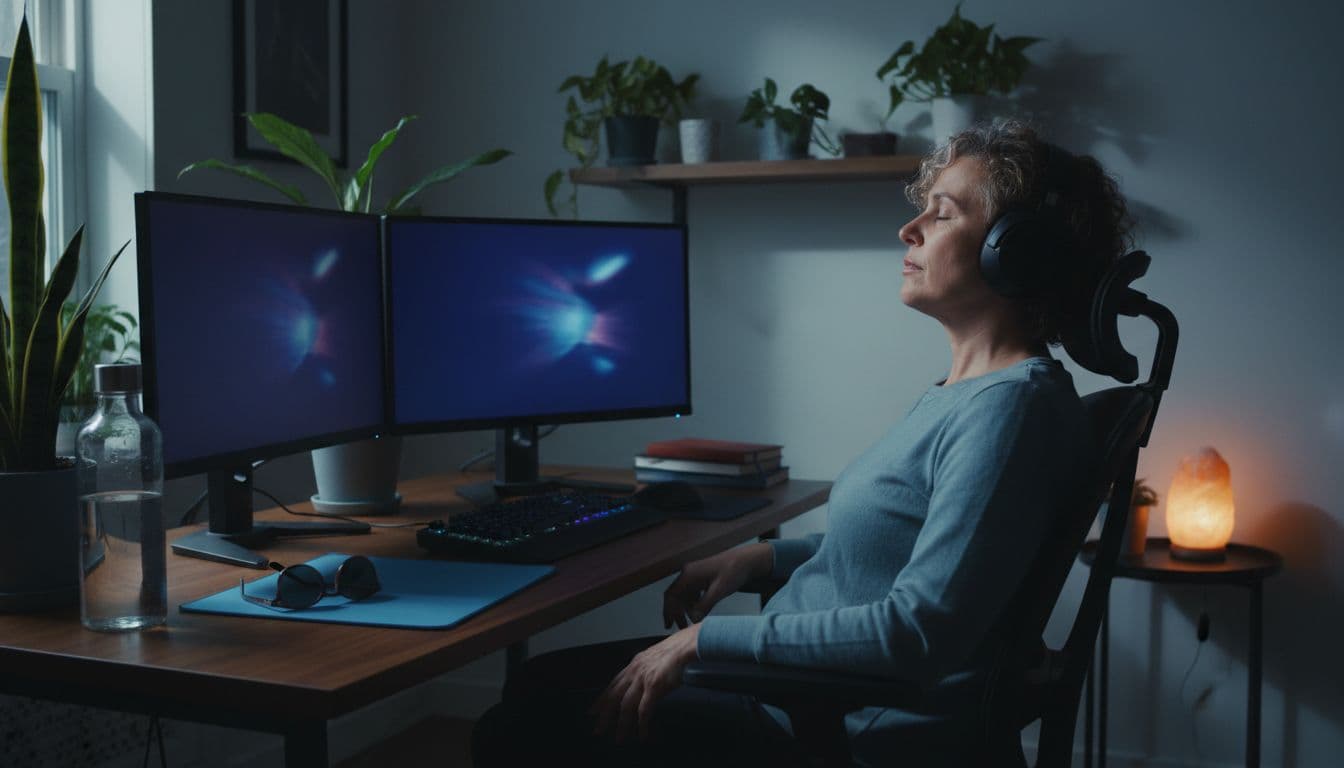
Lower screen brightness, take regular screen breaks, and sit with your head and shoulders supported. Outdoors, sunglasses can cut glare. On noisy days, seek quieter spaces when you can. If heat or storms often affect you, carry water, cool down early, and plan ahead. Think of it like lowering the volume on several small stressors at once.
When to see a doctor, and warning signs you should never ignore
Most migraines are not an emergency, but some patterns should never be brushed off. If your attacks are new, worsening, very frequent, or hard to control, it’s time to get medical help. That matters because migraine can change over time, and sometimes a „migraine“ needs a closer look.
Signs that it’s time to book a medical visit
Book a medical visit if headaches are showing up 15 or more days a month. That level can point to chronic migraine, and it often needs a more structured treatment plan.
You should also make an appointment if attacks keep you from work, school, sleep, or basic daily tasks. If you find yourself reaching for pain medicine often, that’s another sign to check in. Frequent use can sometimes lead to medication-overuse headache, which can trap you in a hard cycle.
Changes matter too. If your aura is new, lasts longer, looks different than usual, or your current treatment no longer works well, don’t just push through it. A doctor can confirm the diagnosis, review your meds, and help build a safer plan. Expert sources, and even beginner migraine books, agree on this point: severe or hard-to-manage migraine needs medical support.
Red-flag symptoms that need urgent care
Some symptoms need urgent care right away, because they may signal something more serious than migraine.

Get help now if you have:
- The worst headache of your life
- A headache that hits suddenly and peaks fast
- Head pain after a head injury
- Weakness on one side, numbness, or trouble speaking
- Fainting or seizures
- Chest pain
- Fever with a stiff neck
- Major confusion, extreme drowsiness, or behavior changes
If a headache feels sharply different, sudden, or frightening, treat it like a medical problem, not a normal migraine day.
In short, trust the change in pattern. When symptoms cross clear safety lines, fast care is the right move.
Conclusion
Migraine is real, and it can affect far more than your head. Still, when you learn your pattern, spot your personal triggers, and act early, you gain more control over what can feel like a very unpredictable condition.
Because treatment isn’t one-size-fits-all, the best plan is the one that fits your symptoms, your routine, and your life. Small habits, like steady sleep, regular meals, good hydration, and a calmer environment, can also add up over time and make bad days less frequent or less severe.
So keep tracking your symptoms, build a few supportive routines, and notice what helps. A beginner-friendly migraine guide can be a useful starting point, but severe, frequent, or changing migraine symptoms still need medical care, and getting help is a strong next step.
This post may contain affiliate links. If you make a purchase through these links, I may earn a small commission at no extra cost to you.